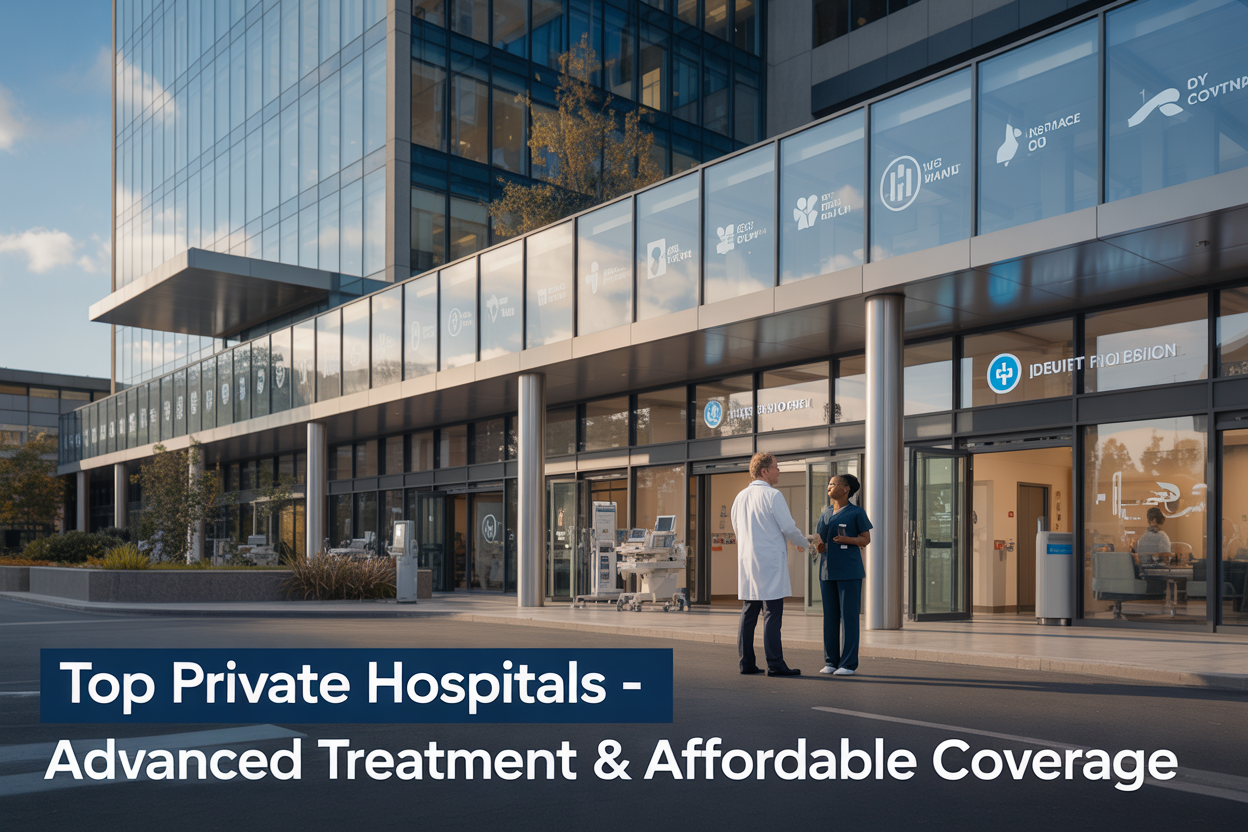
Finding the right private hospital that combines cutting-edge medical care with insurance-friendly pricing can feel overwhelming. This guide is designed for patients seeking specialized treatment, families planning for medical needs, and individuals researching their healthcare options before emergencies arise.
Top Private Hospitals in the USA for Advanced Treatment & Affordable Insurance Coverage requires understanding which facilities deliver exceptional care while working with your insurance plan. Many people assume private hospitals are automatically out of reach financially, but several premier institutions offer comprehensive coverage options and payment assistance programs.
We’ll explore the key factors that make certain private hospitals stand out for both medical excellence and financial accessibility. You’ll discover how leading medical centers across different specializations balance innovative treatments with reasonable costs. We’ll also break down practical insurance coverage strategies and money-saving approaches that can make top-tier private healthcare more affordable than you might expect.
Key Criteria for Selecting Top Private Hospitals

Advanced Medical Technology and Equipment Standards
Modern private hospitals distinguish themselves through cutting-edge medical technology that directly impacts patient outcomes. The best facilities invest heavily in state-of-the-art diagnostic imaging equipment, including 3T MRI machines, 128-slice CT scanners, and digital mammography systems. These tools provide physicians with crystal-clear images that lead to faster, more accurate diagnoses.
Surgical capabilities often separate good hospitals from exceptional ones. Top-tier facilities feature robotic surgical systems like the da Vinci platform, which enables minimally invasive procedures with greater precision. Advanced catheterization labs equipped with biplane imaging systems allow cardiologists to perform complex heart procedures with reduced radiation exposure and improved visualization.
Electronic health record systems that seamlessly integrate across departments ensure your medical information follows you throughout your hospital stay. Real-time monitoring systems in intensive care units track vital signs continuously, alerting medical staff instantly to any concerning changes. These technological investments translate to shorter recovery times, fewer complications, and better overall outcomes for patients.
Board-Certified Specialist Availability
Access to highly qualified specialists makes the difference between routine care and exceptional treatment. Premier private hospitals maintain robust medical staffs with board-certified physicians across multiple specialties. These doctors have completed rigorous training programs and passed comprehensive examinations in their specific fields.
The depth of specialist coverage matters significantly. Leading hospitals offer subspecialists who focus on narrow areas within broader medical fields. For example, rather than just having general cardiologists, the best facilities employ interventional cardiologists, electrophysiologists, and heart failure specialists. This level of specialization means you receive care from doctors who treat your specific condition daily.
Teaching hospital affiliations often indicate higher quality specialist availability. Many top private hospitals maintain relationships with medical schools, attracting renowned physicians who balance clinical practice with research and education. These academic connections bring access to the latest treatment protocols and experimental therapies.
Response times for specialist consultations vary dramatically between hospitals. Elite facilities typically provide same-day or next-day specialist consultations for urgent cases, while maintaining reasonable scheduling for routine appointments. This accessibility prevents treatment delays that could worsen your condition.
Patient Safety Ratings and Accreditation Status
Patient safety ratings provide objective measures of hospital quality that go beyond marketing claims. The Leapfrog Group assigns letter grades based on infection rates, surgical complications, and safety protocols. Hospitals earning ‘A’ ratings demonstrate consistently superior safety performance across multiple metrics.
The Joint Commission accreditation represents the gold standard for hospital quality assessment. This independent organization evaluates hospitals against rigorous standards covering patient care, medication management, infection control, and leadership effectiveness. Accredited facilities undergo unannounced surveys every three years, ensuring ongoing compliance with safety standards.
Hospital-acquired infection rates serve as critical indicators of care quality. The best private hospitals maintain infection rates well below national averages through strict sterilization protocols, appropriate antibiotic use, and comprehensive staff training. Publicly reported metrics include central line-associated bloodstream infections, catheter-associated urinary tract infections, and surgical site infections.
Mortality rates for specific procedures and conditions offer another lens for evaluating hospital safety. Top-performing hospitals demonstrate lower-than-expected death rates for heart attacks, pneumonia, and surgical procedures when adjusted for patient complexity. These statistics reflect the hospital’s ability to manage complications and provide life-saving interventions when needed.
Insurance Network Participation and Coverage Options
Understanding insurance networks prevents unexpected bills that can devastate your finances. In-network hospitals have negotiated contracted rates with insurance companies, significantly reducing your out-of-pocket costs. The same procedure at an out-of-network facility might cost three to five times more than at an in-network hospital.
Major private hospitals typically participate in multiple insurance networks, but coverage varies by specific plans within each insurance company. Premium plans usually offer broader network access, while basic plans may restrict choices to specific hospital systems. Before selecting a hospital, verify that both the facility and your attending physicians participate in your insurance network.
Some prestigious hospitals operate as out-of-network providers for most insurance plans, requiring patients to pay higher deductibles and coinsurance. These facilities often provide detailed cost estimates upfront and may offer payment plans or financial assistance programs for qualified patients. The additional cost might be justified for rare conditions requiring specialized expertise unavailable elsewhere.
Prior authorization requirements can delay treatment at certain hospitals. Insurance companies may require pre-approval for expensive procedures, diagnostic tests, or extended stays. Hospitals with dedicated insurance liaison teams help navigate these requirements efficiently, preventing treatment delays due to administrative hurdles. Understanding these processes upfront saves time and reduces stress when you need care most.
Leading Private Hospitals by Medical Specialization

Cancer Treatment Centers with Cutting-Edge Oncology Programs
MD Anderson Cancer Center in Houston stands as America’s premier cancer treatment destination, offering groundbreaking immunotherapy and precision medicine programs. The facility excels in rare cancer treatments and clinical trials, with survival rates consistently above national averages. Memorial Sloan Kettering Cancer Center in New York provides world-class care through its comprehensive tumor boards and personalized treatment protocols. These centers integrate advanced radiation therapy systems like proton beam therapy with innovative surgical techniques.
Mayo Clinic’s oncology division offers seamless coordination between medical, surgical, and radiation oncologists, ensuring patients receive holistic care. Their CAR-T cell therapy program has achieved remarkable results for blood cancers. Johns Hopkins Kimmel Cancer Center pioneered many current cancer treatments and continues leading research in cancer genomics and targeted therapies.
Cardiac Care Facilities with Revolutionary Heart Surgery Options
Cleveland Clinic’s heart program consistently ranks number one nationally, performing complex procedures like heart transplants and artificial heart implantations with exceptional success rates. Their minimally invasive cardiac surgery program reduces recovery time while maintaining superior outcomes. Texas Heart Institute in Houston specializes in innovative cardiovascular procedures and houses one of the world’s most active heart transplant programs.
Mayo Clinic Rochester offers comprehensive cardiac care with cutting-edge robotic surgery capabilities and advanced imaging technologies. Their cardiac catheterization labs provide 24/7 emergency services with rapid response times. Cedars-Sinai Heart Institute in Los Angeles combines world-renowned expertise with state-of-the-art facilities, offering everything from preventive cardiology to complex surgical interventions.
Neurological Treatment Centers for Brain and Spine Disorders
Johns Hopkins Neurology Department leads globally in brain tumor treatment, offering advanced surgical techniques like awake craniotomies and gamma knife radiosurgery. Their stroke center provides comprehensive care with rapid intervention protocols that significantly improve patient outcomes. Mayo Clinic’s neurology program excels in treating rare neurological disorders and offers cutting-edge deep brain stimulation procedures for movement disorders.
Massachusetts General Hospital’s neurosurgery department pioneered many current techniques for treating brain aneurysms and spinal cord injuries. Their epilepsy center provides comprehensive monitoring and surgical options for drug-resistant cases. UCSF Medical Center’s neurological institute specializes in pediatric and adult brain disorders, offering innovative treatments like focused ultrasound therapy for essential tremor and Parkinson’s disease.
Orthopedic Hospitals with Advanced Joint Replacement Services
Hospital for Special Surgery in New York exclusively focuses on orthopedic care, performing more joint replacements annually than any other facility. Their custom implant program and computer-assisted surgery techniques deliver exceptional outcomes with faster recovery times. Mayo Clinic’s orthopedic department offers comprehensive musculoskeletal care with advanced rehabilitation programs that optimize long-term functionality.
Cleveland Clinic’s orthopedic institute provides specialized care for complex spinal disorders and sports injuries, utilizing minimally invasive techniques whenever possible. Their joint replacement program incorporates latest technologies like robotic-assisted surgery and patient-specific instrumentation. Rush University Medical Center in Chicago excels in revision surgeries and complex cases that other facilities might decline.
Transplant Centers with High Success Rates
UPMC Presbyterian in Pittsburgh operates one of the world’s most comprehensive transplant programs, performing liver, kidney, heart, lung, and pancreas transplantations with industry-leading survival rates. Their innovative cross-matching techniques have expanded donor compatibility significantly. Mayo Clinic Rochester maintains exceptional transplant outcomes across all organ types, with comprehensive pre and post-transplant care programs.
Johns Hopkins transplant center pioneered living donor procedures and continues advancing transplant medicine through research initiatives. Their kidney paired donation program has facilitated hundreds of successful transplants for incompatible donor-recipient pairs. UCLA Medical Center’s transplant institute offers specialized programs for high-risk patients and has developed protocols that extend transplant eligibility to previously ineligible candidates.
Geographic Distribution of Premier Private Healthcare Facilities

East Coast Medical Powerhouses in Major Metropolitan Areas
The East Coast dominates America’s healthcare landscape with world-renowned institutions that attract patients from across the globe. Massachusetts General Hospital in Boston stands as a beacon of medical excellence, consistently ranking among the top hospitals nationwide for its groundbreaking research and exceptional patient care. The hospital’s affiliation with Harvard Medical School brings cutting-edge treatments and clinical trials directly to patients.
New York City houses multiple healthcare giants, including NewYork-Presbyterian, which spans multiple campuses and offers everything from routine procedures to the most complex surgeries. Mount Sinai Health System has built its reputation on innovative treatments, particularly in cardiology and neurology, while maintaining strong insurance partnerships that make premium care more accessible.
Philadelphia’s reputation centers around the Hospital of the University of Pennsylvania and Jefferson Health, both known for their comprehensive cancer treatment programs and organ transplant capabilities. These institutions work closely with major insurance providers to offer competitive pricing packages for specialized procedures.
Baltimore’s Johns Hopkins Hospital continues to set global standards for medical research and patient care. Their insurance navigation services help patients understand coverage options and maximize benefits, making their advanced treatments more financially manageable for families across the income spectrum.
West Coast Innovation Hubs with Technology-Driven Care
California leads the charge in healthcare innovation, with institutions that seamlessly blend technology with compassionate care. Cedars-Sinai in Los Angeles has transformed patient experiences through artificial intelligence and robotic surgery programs, while maintaining partnerships with major insurance networks to keep costs reasonable for cutting-edge procedures.
The Mayo Clinic’s presence in Arizona brings their world-famous integrated care model to the Southwest, offering patients coordinated treatment plans that reduce redundant testing and streamline care delivery. Their transparent pricing initiatives help patients understand costs upfront and work within their insurance benefits.
Stanford Health Care and UCSF Medical Center in Northern California represent the pinnacle of research-driven medicine. These institutions excel in precision medicine and genomic treatments, offering clinical trials that provide access to tomorrow’s therapies today. Both hospitals have developed innovative financial assistance programs that complement traditional insurance coverage.
Seattle’s leading hospitals, including Virginia Mason Franciscan Health, have pioneered value-based care models that focus on patient outcomes rather than volume of services. This approach often results in better health outcomes at lower overall costs, making them attractive options for both patients and insurance providers.
Midwest Healthcare Leaders with Comprehensive Service Networks
The Midwest offers exceptional healthcare value through institutions that combine clinical excellence with practical accessibility. Cleveland Clinic stands out not only for its cardiac care expertise but also for its transparent pricing model and extensive insurance partnerships. Patients can access world-class care while understanding exactly what their financial responsibility will be before treatment begins.
Mayo Clinic’s Rochester campus represents the gold standard for integrated healthcare delivery. Their team-based approach ensures patients receive coordinated care from multiple specialists, reducing the time and cost associated with fragmented treatment plans. The clinic’s financial counselors work directly with insurance companies to maximize coverage for complex procedures.
Chicago’s healthcare landscape includes Northwestern Medicine and University of Chicago Medical Center, both known for their research capabilities and community outreach programs. These institutions have developed sliding-scale payment options and work aggressively with insurance providers to ensure patients can access necessary care regardless of their economic situation.
Detroit’s Henry Ford Health System has pioneered population health management, focusing on preventive care that keeps patients healthier while reducing long-term healthcare costs. Their insurance partnerships often include wellness programs that provide additional value beyond traditional medical coverage.
Southern Regional Medical Centers with Specialized Programs
The South has emerged as a major destination for specialized medical care, offering exceptional quality at competitive prices. Houston Methodist and MD Anderson Cancer Center have built international reputations while maintaining strong relationships with regional insurance providers, making them accessible to patients throughout the Southeast.
Emory Healthcare in Atlanta combines academic medicine excellence with practical healthcare delivery, offering specialized programs in neurology, cardiology, and organ transplantation. Their financial assistance programs work alongside insurance coverage to ensure patients can access complex procedures without overwhelming debt.
Duke University Hospital in North Carolina excels in research-based medicine while maintaining a commitment to community care. Their insurance partnerships often include value-based contracts that reward successful patient outcomes, creating incentives for both high-quality care and cost management.
Florida’s healthcare landscape includes institutions like Baptist Health and AdventHealth, which have developed comprehensive networks that serve diverse populations. These hospitals have adapted their services to meet the needs of both permanent residents and seasonal visitors, offering flexible insurance options and transparent pricing for out-of-state patients seeking specialized care.
Insurance Coverage Options and Affordability Strategies

Premium Insurance Plans with Comprehensive Hospital Networks
Premium insurance plans offer the most extensive access to top-tier private hospitals across the United States. These plans typically feature nationwide networks that include prestigious medical centers like Mayo Clinic, Cleveland Clinic, and Johns Hopkins Hospital. Members enjoy minimal out-of-pocket costs with low deductibles ranging from $500 to $1,500 and copays as low as $20 for specialist visits.
Key Features:
- Access to 90%+ of premier private hospitals
- Low annual deductibles ($500-$1,500)
- Specialist copays ranging from $20-$50
- No referral requirements for specialists
- Coverage for experimental treatments and clinical trials
Popular Premium Plan Types:
- PPO plans with broad provider networks
- Exclusive Provider Organizations (EPOs) with premium facilities
- Point-of-Service (POS) plans offering flexibility
Monthly premiums typically range from $800-$1,200 for individual coverage, making these plans ideal for patients with chronic conditions or those requiring frequent specialized care. The investment pays off through reduced medical bills and priority access to leading specialists.
Mid-Range Coverage Plans Balancing Cost and Access
Mid-range insurance plans strike a balance between affordability and access to quality private hospitals. These plans typically cost $400-$700 monthly for individuals while maintaining coverage at respected regional medical centers and select national facilities.
Network Characteristics:
- Regional private hospital systems
- Select national chains (HCA Healthcare, Tenet Healthcare)
- Academic medical centers in major metropolitan areas
- Moderate deductibles ($2,000-$5,000)
- Specialist copays between $40-$80
Many mid-range plans use tiered networks, where patients pay less for visiting preferred hospitals and more for out-of-network facilities. This structure encourages cost-effective care while preserving access to quality treatment options.
Strategic Considerations:
| Plan Type | Monthly Cost | Deductible Range | Hospital Access |
|---|---|---|---|
| Gold Plans | $500-$700 | $1,500-$3,000 | Regional + Select National |
| Silver Plans | $400-$600 | $3,000-$5,000 | Regional Focus |
| Bronze Plus | $350-$500 | $5,000-$7,000 | Limited Network |
High-Deductible Health Plans with HSA Benefits
High-Deductible Health Plans (HDHPs) paired with Health Savings Accounts represent a growing trend for cost-conscious patients seeking private hospital care. These plans feature deductibles starting at $1,500 for individuals and $3,000 for families, with monthly premiums often under $300.
HSA Advantages:
- Triple tax benefit (deductible contributions, tax-free growth, tax-free withdrawals for medical expenses)
- 2024 contribution limits: $4,150 individual, $8,300 family
- Funds roll over annually with no expiration
- Investment options for long-term healthcare savings
HDHPs work best for healthy individuals who can afford to pay upfront costs while building substantial HSA balances. Many private hospitals offer cash-pay discounts ranging from 20-50% off standard rates, making this approach financially attractive for planned procedures.
Cost Management Strategies:
- Negotiate direct-pay rates with hospitals
- Use HSA funds for qualified medical expenses
- Take advantage of preventive care coverage (100% covered before deductible)
- Shop around for non-emergency procedures
Private hospitals increasingly offer price transparency tools and payment plans specifically designed for HDHP patients, recognizing this growing market segment’s unique needs and spending patterns.
Cost-Saving Tips for Private Hospital Treatment

Negotiating Payment Plans and Financial Assistance Programs
Most private hospitals offer financial assistance programs that many patients don’t even know exist. Start by contacting the hospital’s financial counselor before your treatment begins. These professionals can walk you through available options, including payment plans, charity care programs, and sliding scale discounts based on your income level.
When negotiating payment plans, ask for extended terms with zero or low interest rates. Many hospitals prefer receiving payments over time rather than dealing with unpaid bills. Be honest about your financial situation and provide documentation of your income and expenses. Hospitals often have significant flexibility in creating customized payment arrangements.
Don’t overlook charity care programs, even if you have insurance. These programs can cover copays, deductibles, and out-of-network charges. Religious hospitals and non-profit medical centers are particularly generous with these offerings, sometimes providing care at no cost for qualifying patients.
Consider asking for an itemized bill and questioning any charges that seem unclear or excessive. Hospital billing departments regularly make errors, and spotting these mistakes can save hundreds or thousands of dollars.
Utilizing In-Network Providers to Maximize Insurance Benefits
Staying within your insurance network dramatically reduces your out-of-pocket expenses. Before scheduling any procedure, verify that both the hospital and all physicians involved are in-network with your insurance plan.
Watch out for surprise billing from out-of-network providers who might work within in-network hospitals. This commonly happens with anesthesiologists, radiologists, and emergency room doctors. Ask your insurance coordinator to confirm that all specialists involved in your care accept your insurance.
Request pre-authorization for non-emergency procedures. This process ensures your insurance company approves the treatment beforehand, preventing claim denials later. Keep all pre-authorization documentation and bring copies to your appointments.
If you accidentally receive care from an out-of-network provider, contact your insurance company immediately. Many insurers will make exceptions for emergency situations or when no in-network alternatives were available.
Comparing Treatment Costs Across Different Facilities
Treatment costs can vary dramatically between hospitals, even within the same city. Before committing to a facility, request price estimates from multiple hospitals. Many states now require hospitals to provide good faith estimates for scheduled procedures.
Use online price transparency tools provided by hospitals and insurance companies. These resources let you compare costs for common procedures across different facilities. Some hospitals publish their chargemasters online, giving you insight into their pricing structure.
Consider the total cost of care, not just the procedure price. Factor in follow-up visits, rehabilitation services, and potential complications. A slightly more expensive hospital might offer better value if their complication rates are lower.
Ambulatory surgery centers often charge significantly less than hospital-based facilities for outpatient procedures. These specialized centers maintain high quality standards while offering substantial savings for many routine surgeries.
Exploring Medical Tourism Options Within the USA
Domestic medical tourism can offer significant savings without leaving the country. Traveling to states with lower healthcare costs can reduce your expenses by 30-60% while maintaining American healthcare standards.
Research states known for affordable, high-quality care. Texas, Oklahoma, and North Carolina have developed medical tourism programs specifically designed to attract out-of-state patients. These facilities often provide package deals that include accommodation and transportation.
Factor in travel and lodging costs when calculating potential savings. Some hospitals partner with nearby hotels to offer discounted rates for patients and their families. Extended-stay facilities near medical centers can be particularly cost-effective for longer treatments.
Consider regional medical centers in smaller cities rather than major metropolitan hospitals. These facilities often provide comparable care at significantly lower costs due to reduced overhead expenses. Rural hospitals frequently offer competitive pricing to attract patients from urban areas.
Time your treatment strategically if possible. Some hospitals offer seasonal discounts or have lower rates during certain periods when demand is reduced.
Patient Experience and Quality Metrics

Customer Satisfaction Scores and Patient Reviews
Patient satisfaction scores serve as a critical benchmark for evaluating private hospital performance. The Hospital Consumer Assessment of Healthcare Providers and Systems (HCAHPS) provides standardized metrics that allow patients to compare facilities nationwide. Top-performing private hospitals consistently achieve scores above the 75th percentile across key domains including communication with doctors and nurses, responsiveness of hospital staff, and overall rating of the hospital experience.
Leading institutions like Mayo Clinic, Cleveland Clinic, and Johns Hopkins maintain satisfaction scores exceeding 90% in most categories. These facilities actively collect patient feedback through post-discharge surveys, online review platforms, and real-time bedside tablets. Patients frequently praise these hospitals for personalized attention, coordinated care teams, and comfortable accommodations that feel more like luxury hotels than traditional medical facilities.
Online review platforms such as Healthgrades, Vitals, and Google Reviews offer unfiltered patient perspectives. High-performing private hospitals typically maintain ratings of 4.5 stars or higher, with thousands of reviews highlighting exceptional clinical outcomes and service quality. Negative reviews often center on billing issues or communication gaps rather than clinical care quality, indicating strong medical standards even when administrative processes need improvement.
Smart patients research multiple review sources before selecting a hospital, looking for consistent patterns in feedback rather than focusing on individual complaints or compliments.
Average Wait Times and Appointment Availability
Private hospitals generally offer significantly shorter wait times compared to public healthcare systems, though performance varies considerably across institutions and specialties. Premium private facilities often guarantee same-day or next-day appointments for urgent consultations, while routine specialist appointments typically become available within 1-2 weeks.
Emergency department wait times at top private hospitals average 15-30 minutes for triage and 45-90 minutes for treatment initiation, compared to 2-4 hours at many public facilities. Surgical scheduling shows similar advantages, with elective procedures often available within 2-4 weeks versus months-long delays in public systems.
| Hospital Tier | Routine Appointments | Specialist Consultations | Elective Surgery |
|---|---|---|---|
| Premium Private | 1-3 days | 1-2 weeks | 2-4 weeks |
| Standard Private | 3-7 days | 2-4 weeks | 4-8 weeks |
| Public Systems | 1-4 weeks | 4-12 weeks | 3-6 months |
Many private hospitals offer online scheduling platforms and mobile apps that display real-time appointment availability. Concierge services at premium facilities can arrange same-day consultations and coordinate multiple specialist visits during single trips, particularly valuable for patients traveling from distant locations.
Communication Quality Between Medical Staff and Patients
Communication excellence distinguishes top private hospitals from their competitors and significantly impacts patient outcomes and satisfaction. Leading facilities invest heavily in staff training programs focused on patient-centered communication, active listening skills, and cultural competency.
Physicians at premier private hospitals typically spend 20-30 minutes per consultation compared to 10-15 minutes in many other settings. This extended face time allows for thorough explanations of diagnoses, treatment options, and expected outcomes. Many institutions employ dedicated patient navigators who coordinate care between multiple specialists and ensure patients understand their treatment plans.
Technology enhances communication through secure patient portals where individuals can message their care teams, access test results, and receive educational materials. Video consultations have become standard for follow-up appointments and routine check-ins, reducing travel requirements while maintaining personal connections.
Multilingual services and interpreter support address language barriers, while specialized communication training helps staff explain complex medical concepts in understandable terms. The best private hospitals regularly assess communication effectiveness through patient surveys and adjust their approaches based on feedback.
Clear discharge instructions, medication management guidance, and proactive follow-up calls demonstrate commitment to ongoing patient relationships beyond hospital stays. These communication practices directly correlate with reduced readmission rates and improved long-term health outcomes.

Finding the right private hospital doesn’t have to feel overwhelming when you know what to look for. The best facilities combine cutting-edge medical technology with skilled specialists, while offering reasonable insurance options that won’t break the bank. From coast to coast, America’s premier private hospitals have proven they can deliver exceptional care across multiple specialties, whether you need cardiac surgery in New York or cancer treatment in California.
Smart patients do their homework before choosing where to receive care. Compare insurance networks, ask about payment plans, and don’t be afraid to negotiate costs upfront. Remember that the most expensive option isn’t always the best one for your specific needs. Take time to research patient satisfaction scores and quality ratings – these numbers tell the real story about what you can expect. Your health deserves the best care possible, and with the right preparation, you can find world-class treatment that fits your budget and gives you peace of mind.