Buying a luxury car is exciting, but smart buyers know that resale value matters just as much as the initial purchase price. This guide is for luxury car shoppers who want to make informed decisions that protect their investment over time.
Finding the top 10 luxury cars with best resale value requires understanding which brands consistently hold their worth and why certain models outperform others. We’ll break down the luxury car resale value fundamentals that drive market performance, from depreciation curves to brand reputation factors.
You’ll discover which German luxury powerhouses dominate resale rankings and how Japanese luxury brands excel at value preservation. We’ll also explore the key factors that can maximize your luxury car’s resale value, giving you actionable strategies to protect your investment from day one.
Understanding Luxury Car Resale Value Fundamentals
Key factors that determine resale value in luxury vehicles
Brand prestige stands as the cornerstone of luxury car resale value. Mercedes-Benz, BMW, and Audi consistently outperform their competitors because buyers trust these badges to deliver quality and status. Reliability records play an equally crucial role – vehicles with documented service histories and fewer reported issues command higher prices in the secondary market.
Mileage remains critical, but luxury buyers often focus more on condition than pure numbers. A well-maintained 50,000-mile luxury sedan can outvalue a poorly maintained 30,000-mile equivalent. Service documentation becomes especially important, as luxury car buyers expect comprehensive maintenance records from authorized dealers.
Limited production runs and special editions create artificial scarcity that drives up resale values. Think BMW M-series vehicles or Mercedes-AMG models – their performance credentials and restricted availability make them highly sought after years later.
Technology integration affects resale differently than in mainstream vehicles. While cutting-edge features initially attract buyers, rapid technological advancement can make luxury cars feel outdated quickly. The key lies in timeless luxury appointments – premium leather, superior build quality, and sophisticated engineering that ages gracefully.
How luxury cars differ from mainstream vehicles in depreciation
Luxury vehicles follow steeper initial depreciation curves compared to mainstream cars, often losing 20-25% of their value within the first year versus 15-20% for regular vehicles. This dramatic drop reflects the premium pricing structure and the psychological impact of transitioning from “new luxury” to “used luxury” status.
However, luxury cars demonstrate more stability in their depreciation after the initial plunge. High-end vehicles typically level out around years 3-5, maintaining relatively steady values due to their superior build quality and enduring appeal. Mainstream vehicles continue depreciating more linearly throughout their lifecycle.
The luxury market shows greater sensitivity to economic conditions. During recessions, luxury car values can plummet as buyers delay discretionary purchases, while economic booms create increased demand that stabilizes or even appreciates certain models.
Maintenance costs create unique depreciation patterns in luxury vehicles. While expensive service requirements might deter some buyers, well-maintained luxury cars often retain value better than neglected mainstream vehicles. The luxury buyer demographic generally has greater financial capacity to maintain vehicles properly.
Market trends affecting luxury car resale values
Electric vehicle adoption is reshaping luxury car values dramatically. Traditional gas-powered luxury sedans face declining demand as Tesla and other electric luxury brands gain market share. Conversely, hybrid luxury vehicles from established manufacturers are experiencing strong resale performance as they bridge the gap between traditional and electric powertrains.
SUV preference continues dominating the luxury market, with luxury sedans struggling to maintain resale values compared to their SUV counterparts. BMW X5s consistently outperform 5-Series sedans in resale metrics, reflecting broader consumer preferences for higher seating positions and perceived utility.
Autonomous driving features are becoming significant value drivers. Luxury cars equipped with advanced driver assistance systems hold their value better than models lacking these technologies. Tesla’s Autopilot, Mercedes’ Drive Pilot, and similar systems add tangible resale premiums.
Smartphone integration capabilities directly impact resale appeal. Luxury vehicles without Apple CarPlay or Android Auto support struggle in the secondary market, as these features have become baseline expectations rather than premium options.
Geographic variations in luxury car demand
Coastal markets demonstrate stronger luxury car resale values than inland regions. Cities like Los Angeles, Miami, and New York maintain robust luxury car markets with higher average resale prices due to concentrated wealth and image-conscious populations.
Climate significantly influences specific model performance. Convertible luxury cars command premium prices in warm-weather states like California and Florida but struggle in northern markets where seasonal utility is limited. All-wheel-drive luxury vehicles show inverse patterns, excelling in mountainous and snowy regions.
Urban density affects luxury car preferences and values. Dense metropolitan areas favor smaller luxury vehicles and hybrids, while suburban and rural markets still prefer larger luxury SUVs and trucks. This creates regional pricing variations for identical models.
International demand patterns influence domestic resale values. European luxury brands often maintain stronger values in markets with established European car cultures, while American luxury brands may struggle in import-friendly regions but excel in traditionally domestic-focused areas.
German Luxury Powerhouses Leading Resale Rankings
Mercedes-Benz S-Class maintaining premium positioning
The Mercedes-Benz S-Class has built its reputation as the ultimate luxury sedan, and this prestige translates directly into exceptional resale value performance. After three years, the S-Class typically retains 55-60% of its original value, which places it among the top performers in the full-size luxury sedan category. This strong retention stems from the model’s consistent evolution and technological leadership.
What sets the S-Class apart is its continuous innovation cycle. Each generation introduces groundbreaking features that eventually trickle down to other luxury vehicles, keeping the S-Class at the forefront of automotive technology. The semi-autonomous driving capabilities, advanced air suspension systems, and cutting-edge infotainment technology create a compelling package that maintains its appeal years after purchase.
The brand’s global recognition plays a crucial role in resale strength. Mercedes-Benz has cultivated an image of reliability and luxury that transcends geographic boundaries, making S-Class vehicles highly sought after in secondary markets worldwide. The extensive dealer network and reliable parts availability ensure that owners can maintain their vehicles properly, which directly impacts long-term value retention.
Model years 2017-2021 have shown particularly strong performance in the used car market, with well-maintained examples commanding premium prices. The balance of luxury appointments, performance capabilities, and Mercedes’ brand cachet creates a perfect storm for value preservation that few competitors can match.
BMW 7 Series delivering consistent value retention
BMW’s flagship 7 Series has carved out its own niche in the luxury resale market by focusing on the perfect blend of performance and refinement. The 7 Series typically maintains 52-57% of its original value after three years, making it a smart choice for buyers who prioritize both driving dynamics and financial prudence.
The key to the 7 Series’ strong resale performance lies in BMW’s commitment to the “Ultimate Driving Machine” philosophy. While competitors may focus purely on comfort or technology, the 7 Series delivers an engaging driving experience that luxury car enthusiasts actively seek in the pre-owned market. The available twin-turbo V8 and V12 engines provide performance credentials that remain desirable years after the initial purchase.
BMW’s iDrive system and driver assistance technologies have consistently received high marks from automotive journalists and owners alike. These features age well because BMW regularly updates the software and maintains compatibility across model years. The brand’s reputation for build quality and performance reliability translates into buyer confidence in the used car market.
The 7 Series also benefits from BMW’s diverse model lineup strategy. With options ranging from the fuel-efficient 740i to the performance-oriented M760i, there’s a variant that appeals to different luxury buyers. This broad appeal ensures steady demand across the entire 7 Series lineup, supporting strong resale values across all trim levels.
Audi A8 combining technology with strong resale performance
Audi’s A8 flagship represents the most technologically advanced approach to luxury sedans, and this focus on innovation drives impressive resale value performance. The A8 typically retains 50-55% of its original value after three years, with certain high-tech variants performing even better due to their unique feature sets.
The A8’s quattro all-wheel-drive system remains one of its strongest selling points in the resale market. This technology provides year-round confidence and superior handling characteristics that buyers actively seek, especially in regions with challenging weather conditions. The system’s reputation for reliability and performance gives used A8 models a competitive advantage over rear-wheel-drive competitors.
Audi’s Virtual Cockpit and MMI infotainment system have set industry standards that remain relevant and desirable in today’s market. The A8’s advanced driver assistance features, including traffic jam assist and predictive suspension, represent technologies that were revolutionary when introduced and continue to provide real-world benefits that justify premium pricing in the used car market.
The brand’s commitment to build quality and materials selection pays dividends in long-term ownership. A8 interiors age gracefully, with high-quality leather, aluminum trim, and solid construction maintaining their appeal years after production. This attention to detail translates directly into higher resale values because the vehicles continue to look and feel premium throughout their ownership lifecycle.
Recent model years have benefited from Audi’s mild-hybrid technology, which appeals to environmentally conscious luxury buyers while maintaining the performance expectations of the segment.
Japanese Luxury Excellence in Value Preservation
Lexus LS proving reliability drives resale success
The Lexus LS has earned its reputation as the gold standard for luxury sedans that hold their value exceptionally well. While European competitors often face steep depreciation curves, the LS maintains around 55-60% of its original value after five years, making it one of the strongest performers in the full-size luxury segment.
This remarkable value retention stems from Lexus’s legendary reliability. LS owners routinely report minimal maintenance issues even after 200,000 miles, creating strong demand in the used car market. The meticulous build quality translates directly into resale confidence – buyers know they’re purchasing a vehicle that won’t burden them with unexpected repair costs.
The LS also benefits from Toyota’s conservative approach to major redesigns. Instead of radical changes that can make previous generations feel outdated, Lexus implements evolutionary improvements that keep older models feeling current. The 2013-2017 generation, for example, still commands impressive prices because its styling and technology remain competitive with newer luxury sedans.
Smart buyers often target certified pre-owned LS models for this reason. The combination of luxury features, reliability reputation, and strong resale values creates a compelling value proposition that German luxury brands struggle to match.
Acura NSX delivering supercar returns
The second-generation Acura NSX has surprised many with its investment-grade appreciation potential. Unlike most supercars that depreciate heavily in their first few years, the NSX has shown remarkable stability and even appreciation in certain model years.
Limited production numbers work strongly in the NSX’s favor. Honda produced fewer than 3,000 units during the car’s production run, creating natural scarcity that supports values. The hybrid powertrain, once viewed skeptically by purists, now appears ahead of its time as the supercar world embraces electrification.
Performance credentials back up the investment case. The NSX delivers McLaren 570S-level performance for significantly less money, making it attractive to collectors who want serious capability without seven-figure price tags. Track-focused Type S models command particular premiums, with some examples selling above original MSRP.
The NSX also benefits from Honda’s engineering reputation. Unlike exotic brands known for reliability issues, the NSX offers supercar performance with daily-driver dependability. This combination appeals to buyers seeking exciting cars they can actually enjoy without constant maintenance worries.
Infiniti Q70 offering affordable luxury with solid returns
The Infiniti Q70 represents an undervalued opportunity in the luxury sedan market. While it doesn’t match the prestige of German rivals, the Q70 offers impressive luxury features and solid build quality at attractive price points, making it an excellent choice for value-conscious buyers.
Depreciation curves work favorably for Q70 owners willing to hold their vehicles for several years. The steepest value drops occur in the first two years, but depreciation rates level off significantly after that point. Five-year ownership often results in better-than-expected residual values compared to initial projections.
The Q70’s V8 engine variants particularly hold their value well. The naturally aspirated 5.6-liter V8 delivers smooth, reliable power that appeals to buyers seeking traditional luxury performance without turbocharger complexity. These models often command premiums over the base V6 variants in the used market.
Infiniti’s relatively modest market presence actually helps resale values. Lower sales volumes mean fewer used examples compete for buyer attention, supporting prices for well-maintained vehicles. The Q70’s distinctive styling also helps it stand out in a segment dominated by similar-looking German sedans, creating appeal among buyers seeking something different.
American Luxury Contenders With Strong Market Appeal
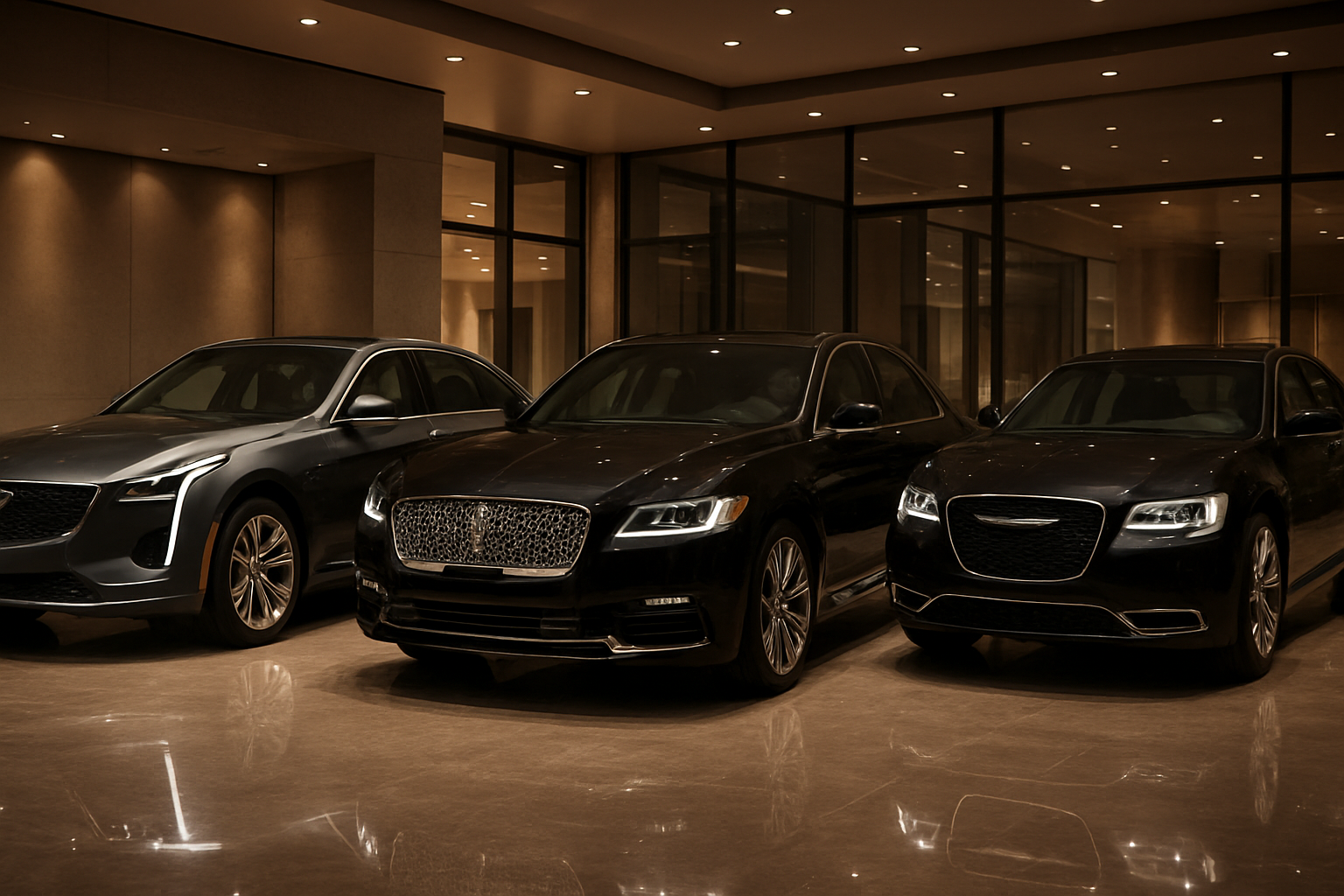
Cadillac Escalade dominating the luxury SUV resale market
The Cadillac Escalade stands as America’s answer to European luxury SUVs, and surprisingly, it holds its value better than many expected. This full-size luxury SUV commands attention on the road and respect in the resale market, consistently ranking among the top performers in its segment.
What makes the Escalade so special? Brand recognition plays a huge role. The Escalade has become a cultural icon, frequently spotted in celebrity driveways and music videos. This cultural cachet translates directly into demand in the used car market. Buyers who can’t afford a new Escalade often jump at the chance to own a well-maintained used one.
The Escalade’s robust construction also works in its favor. Built on GM’s proven truck platform, these vehicles can handle serious mileage while maintaining their functionality. The interior materials, while occasionally criticized when new, age relatively well compared to some European competitors that use more delicate finishes.
Recent model years have seen significant improvements in technology and build quality. The 2021 and newer Escalades feature completely redesigned interiors with premium materials and cutting-edge infotainment systems. These improvements have strengthened the model’s reputation and boosted confidence among buyers looking at 2-3 year old examples.
Market data shows the Escalade typically retains 55-60% of its original value after three years, outperforming many luxury SUV competitors. The diesel variant, when available, performs even better due to its rarity and fuel efficiency advantages.
Lincoln Continental providing unexpected value retention
The Lincoln Continental surprised many industry experts with its impressive resale performance during its 2017-2020 production run. This full-size luxury sedan arrived at a time when sedan sales were plummeting, yet managed to carve out a loyal following that keeps used car values surprisingly strong.
The Continental’s appeal lies in its unique position in the luxury market. While German sedans focus on sporty dynamics and Japanese luxury emphasizes reliability, the Continental offered something different: genuine American luxury comfort. The available 30-way adjustable seats, massaging functions, and whisper-quiet cabin created a distinctly relaxing driving experience that resonated with buyers seeking comfort over sport.
Limited production numbers work heavily in the Continental’s favor. Lincoln never produced massive quantities, meaning used examples remain relatively scarce. This scarcity, combined with the model’s discontinuation, has created a collector-like mentality among enthusiasts who appreciate its distinctive design and comfort-focused philosophy.
The twin-turbo V6 engine provides adequate performance while maintaining reasonable fuel economy. More importantly, it avoids the complexity and potential reliability concerns of some European powertrains. Buyers appreciate the straightforward engineering approach, which translates to lower maintenance anxiety.
Current market trends show three-year-old Continentals retaining approximately 50-55% of their original value, remarkable performance for a discontinued American luxury sedan. The Black Label trim levels command premium prices, often holding their value even better due to their exclusive features and limited availability.
Exotic and Ultra-Luxury Vehicles With Investment Potential
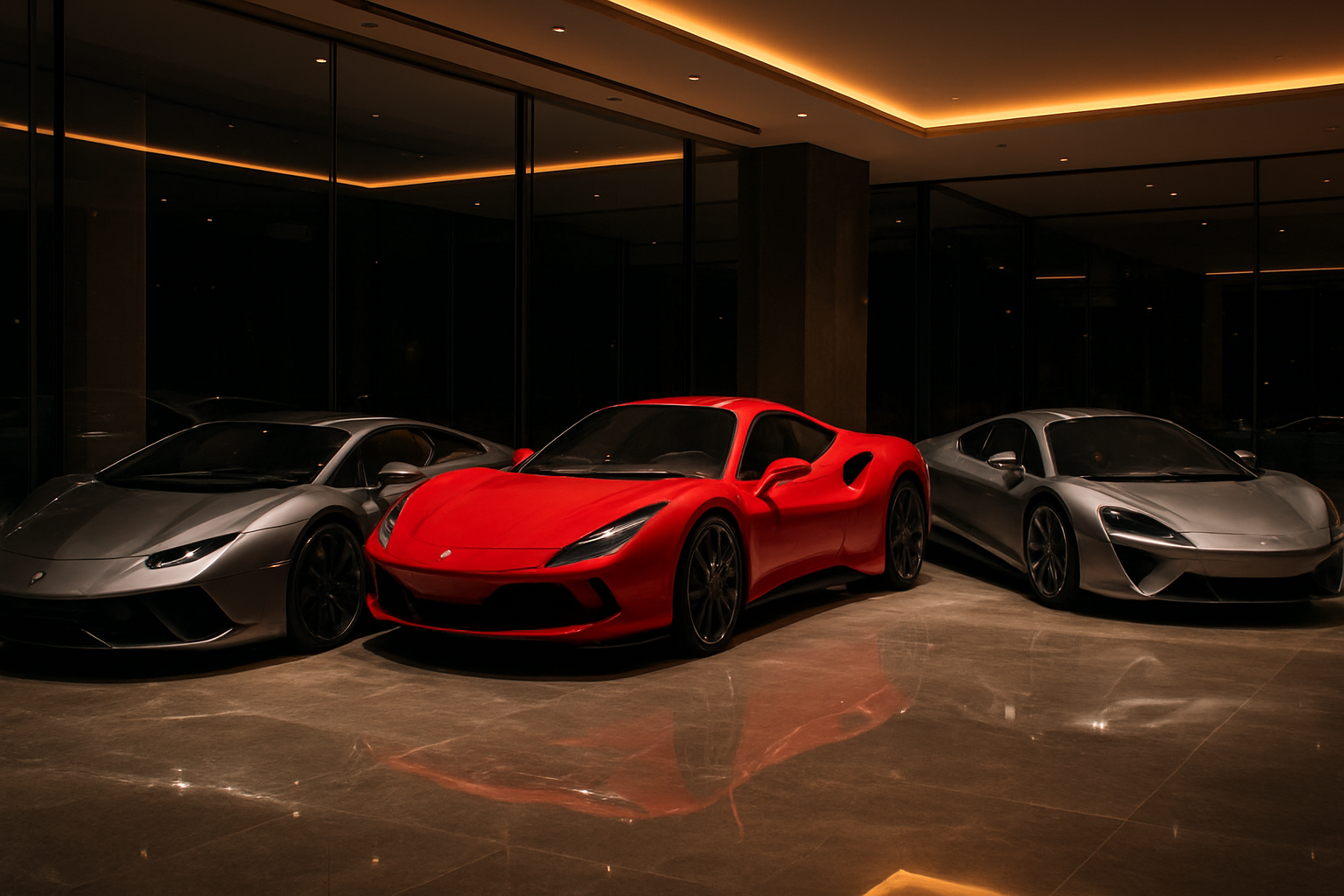
Porsche 911 Series Maintaining Collector Appeal
The Porsche 911 stands as the gold standard for luxury sports cars that hold their value like precious metals. What makes the 911 so special in the resale market isn’t just its performance pedigree—it’s the perfect storm of timeless design, engineering excellence, and cultural icon status that creates an almost bulletproof investment vehicle.
Classic air-cooled 911s from the 1970s and 1980s have experienced astronomical appreciation, with some models seeing 300-500% value increases over the past decade. The 993 generation (1995-1998), being the last air-cooled 911, commands premium prices that continue climbing year after year. Even newer water-cooled models like the 997 and 991 generations demonstrate remarkable value retention compared to their luxury sports car peers.
Key factors driving 911 resale strength:
- Limited production special editions (GT3, Turbo S, GT2 RS)
- Manual transmission models increasingly rare and sought-after
- Track-focused variants gaining collector status
- Consistent design evolution maintaining brand recognition
- Strong enthusiast community supporting market demand
The 911’s modular platform allows Porsche to create numerous variants, each finding its own collector niche. Whether it’s a base Carrera, track-focused GT3, or range-topping Turbo S, every 911 benefits from the model’s legendary reputation. Smart buyers target well-maintained examples with desirable options like manual transmissions, Sport Chrono packages, and ceramic brakes—features that significantly boost long-term value.
Tesla Model S Pioneering Electric Luxury Resale Values
Tesla’s Model S broke new ground not just in electric vehicle technology but also in establishing strong resale values for luxury EVs—a category that didn’t exist before its 2012 debut. While electric vehicles traditionally face steeper depreciation due to rapidly evolving battery technology, the Model S defied conventional wisdom by maintaining surprisingly robust resale strength.
The Model S benefits from Tesla’s unique position as the electric luxury pioneer. Unlike traditional automakers playing catch-up in the EV space, Tesla built the Model S from the ground up as an electric vehicle, creating advantages that translate into better value retention. Over-the-air software updates continuously add features and improve performance, essentially future-proofing the vehicle in ways impossible with conventional cars.
Factors supporting Model S resale values:
- First-mover advantage in luxury EV segment
- Continuous software improvements adding functionality
- Supercharger network providing charging infrastructure advantage
- Strong brand loyalty and repeat customer base
- Limited competition in high-performance luxury EV space
Recent Model S variants with the “Plaid” powertrain demonstrate particularly strong value retention due to their supercar-level performance credentials. The combination of sub-2-second acceleration, 400+ mile range, and cutting-edge technology creates a unique value proposition that competitors struggle to match. Early adopters who purchased well-optioned Model S vehicles often find their cars holding value better than comparable luxury sedans from traditional manufacturers, especially as gas prices fluctuate and environmental consciousness grows among luxury car buyers.
Factors That Maximize Your Luxury Car’s Resale Value

Maintenance Records and Service History Importance
Documentation tells the complete story of your luxury car’s life, and buyers pay premium prices for well-documented vehicles. Comprehensive service records prove the car received proper care throughout its ownership, which directly translates to higher resale values. Smart owners maintain detailed files including oil changes, brake services, tire rotations, and major repairs.
Digital service records through authorized dealerships carry more weight than handwritten receipts. These records verify genuine parts usage and factory-trained technician services. Luxury car buyers specifically look for evidence of scheduled maintenance intervals being met or exceeded, as skipped services can indicate potential costly repairs ahead.
Pre-purchase inspections become smoother when complete maintenance histories are available. Buyers feel confident knowing exactly what work has been performed and when. This transparency reduces negotiation leverage for buyers trying to lower prices based on unknown vehicle condition.
Color Choices That Enhance Market Appeal
Color selection significantly impacts resale value, with some shades commanding thousands more at sale time. Classic colors like black, white, silver, and gray maintain the strongest market appeal across all luxury segments. These neutral tones appeal to broader buyer demographics and age gracefully without appearing dated.
| High-Resale Colors | Moderate-Resale Colors | Lower-Resale Colors |
|---|---|---|
| Black Pearl | Blue Metallic | Bright Yellow |
| Alpine White | Deep Red | Lime Green |
| Silver Metallic | Champagne | Orange |
| Charcoal Gray | Burgundy | Purple |
Brand-specific signature colors sometimes hold value exceptionally well. BMW’s Alpine White, Mercedes-Benz’s Obsidian Black, and Audi’s Glacier White consistently perform above average in resale markets. Avoid trendy or highly personalized colors that may seem outdated within a few years.
Mileage Management Strategies for Optimal Returns
Annual mileage directly correlates with resale value, making mileage management a critical strategy for value preservation. Luxury cars typically lose significant value when exceeding 12,000-15,000 miles annually. Strategic owners plan their driving patterns to stay within these thresholds during ownership periods.
Consider these mileage management approaches:
- Use alternative transportation for daily commuting
- Reserve luxury vehicles for weekend drives and special occasions
- Plan vacation trips using rental cars instead of personal luxury vehicles
- Maintain a second vehicle for high-mileage activities
Low-mileage luxury cars often sell for 15-25% more than similar high-mileage examples. The sweet spot for resale occurs between 8,000-12,000 miles per year, demonstrating regular use without excessive wear.
Optional Features That Add Lasting Value
Certain luxury features consistently add resale value while others provide minimal return on investment. Technology packages, premium sound systems, and advanced safety features typically maintain strong buyer interest. Navigation systems, backup cameras, and parking assistance have become expected rather than premium features.
Performance-oriented options like sport suspensions, upgraded brakes, and enhanced engines appeal to enthusiast buyers willing to pay premiums. Comfort features such as heated seats, premium leather, and sunroofs remain popular across diverse buyer segments.
Avoid overly specific customizations that limit buyer appeal. Features like custom interior colors, unique wheel designs, or specialized equipment packages can actually reduce resale values by narrowing the potential buyer pool. Standard luxury equipment packages from manufacturers typically provide better value retention than extensive customization.
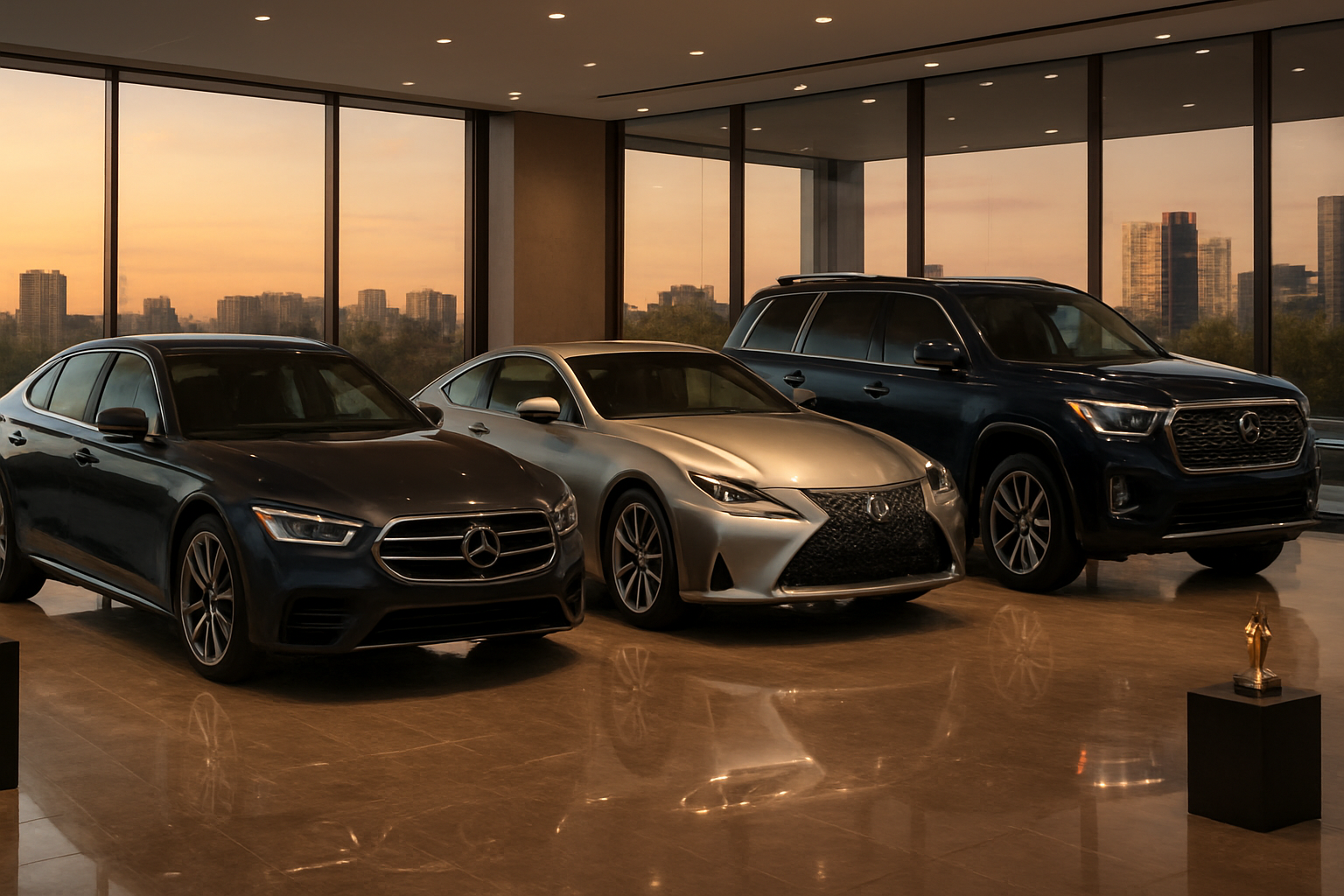
Luxury cars that hold their value best share common traits: exceptional build quality, strong brand reputation, and smart design choices that age gracefully. German brands like BMW, Mercedes-Benz, and Audi consistently dominate resale rankings, while Japanese luxury makers like Lexus prove that reliability translates directly into retained value. Even American luxury brands and exotic supercars can deliver impressive returns when you choose the right models and maintain them properly.
Your luxury car purchase doesn’t have to be a financial drain if you think strategically. Focus on popular models with proven track records, keep detailed maintenance records, and avoid excessive customization that might limit future buyer appeal. The luxury car market rewards those who do their homework and treat their vehicles as long-term investments rather than mere transportation. Choose wisely, and your dream car can deliver both driving pleasure and financial peace of mind.